M
Michelle100
2022-02-18
I didn't want to like this but it's so touching and human, what can I say it's well written and did upset me at times.
"Hell is other people."
CINESCORE
SCORCHING
1,122 critic reviews
POPCORN METER
HOTLY LOVED
Verified ratings
SEASONS
3 · 18 eps
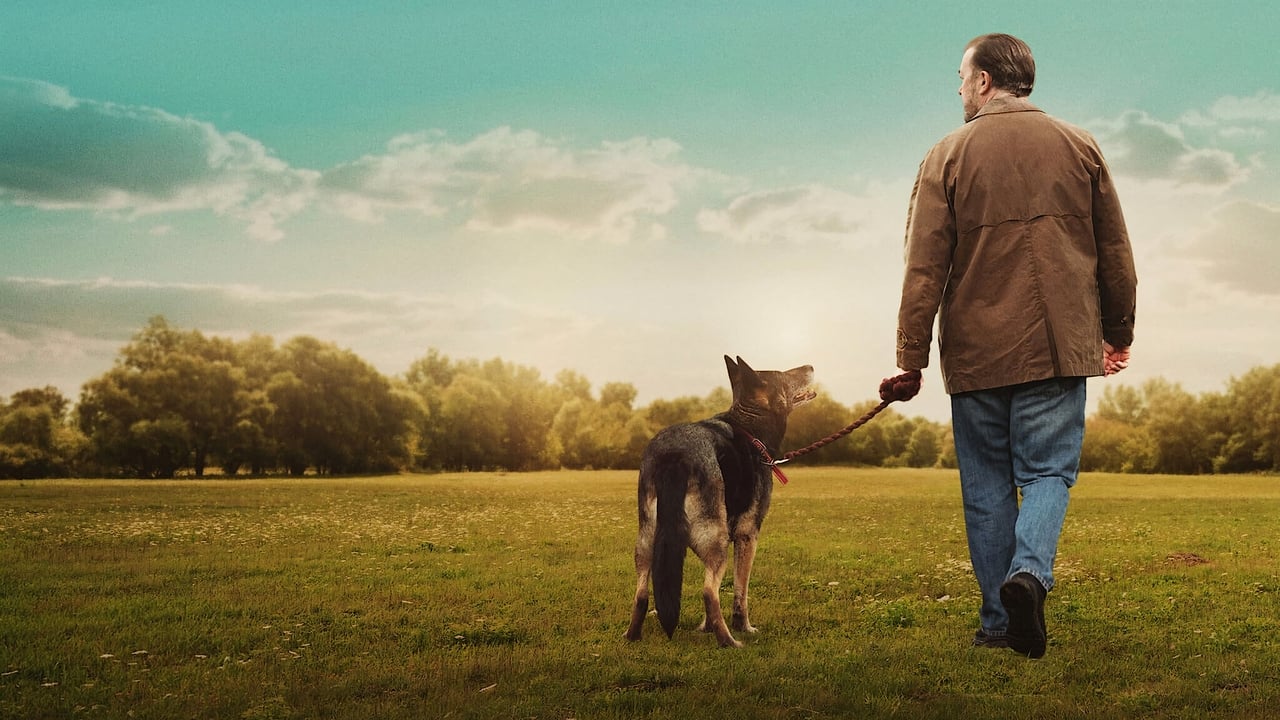
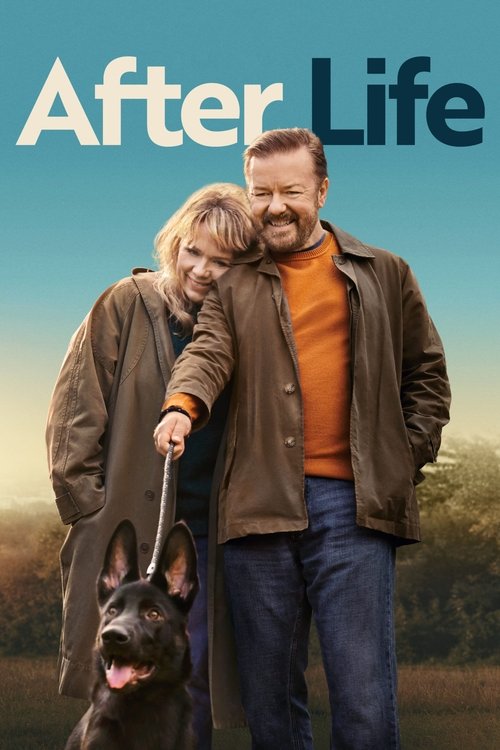
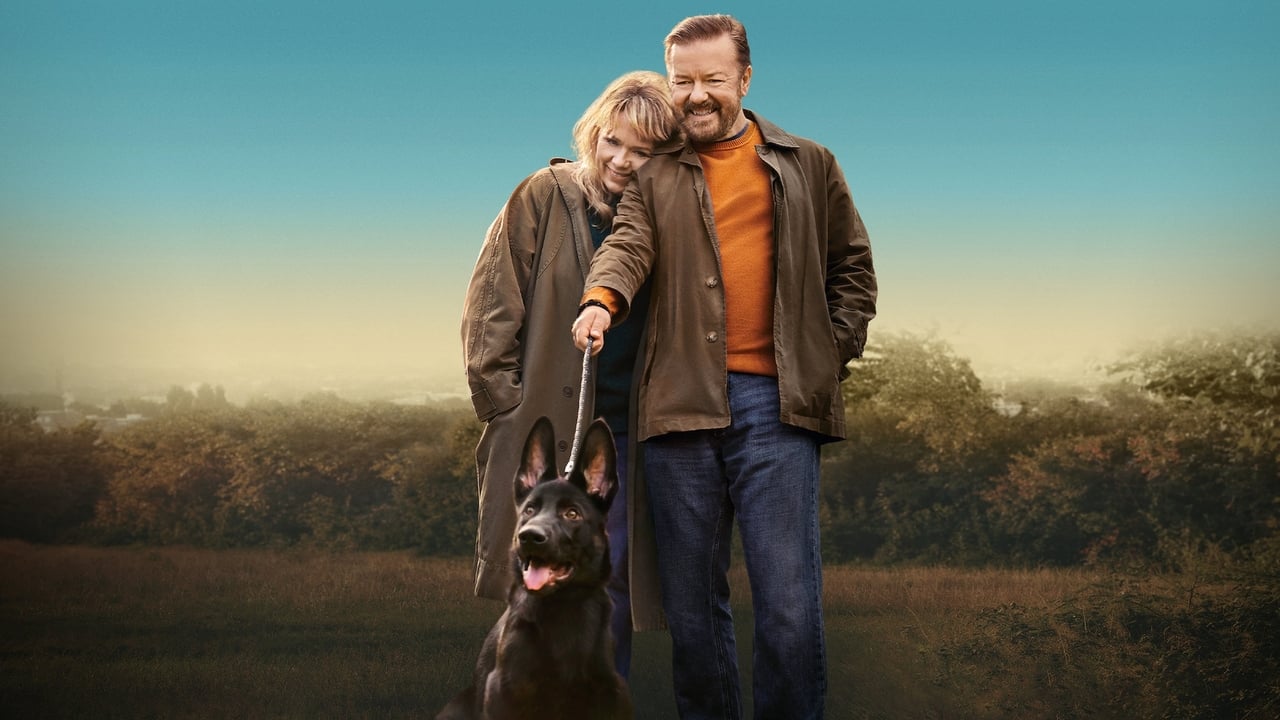
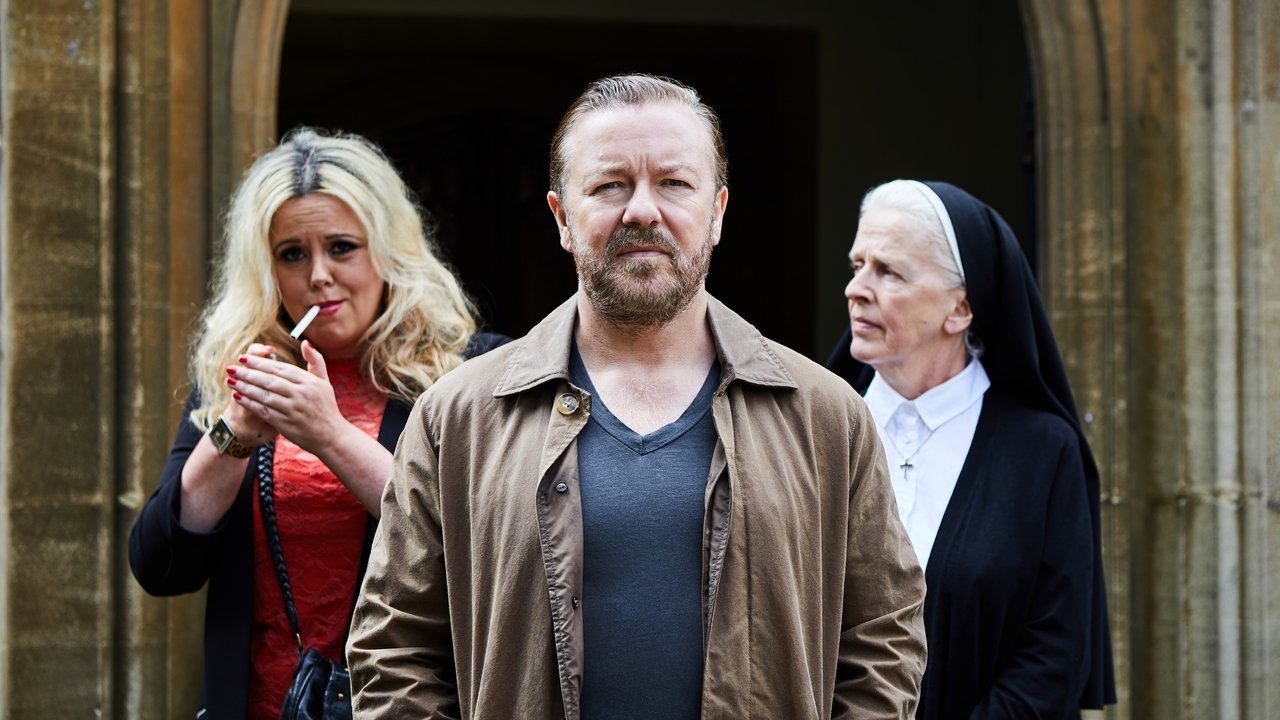
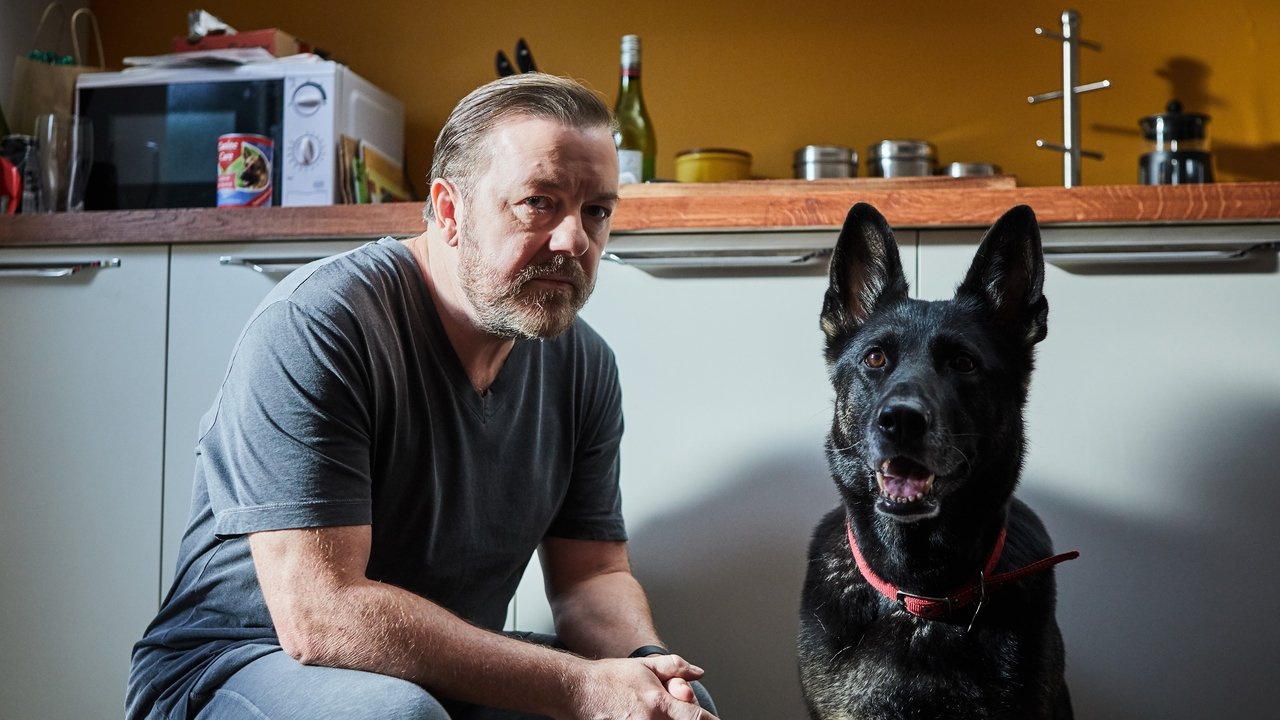
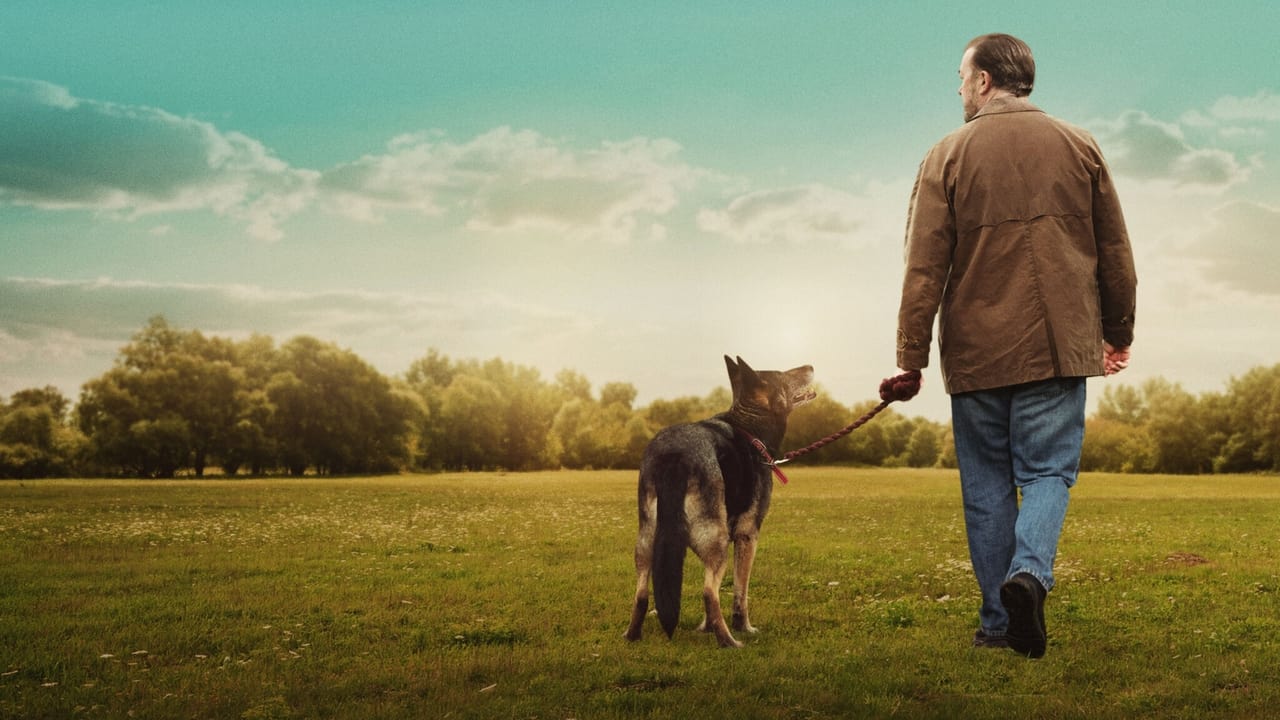
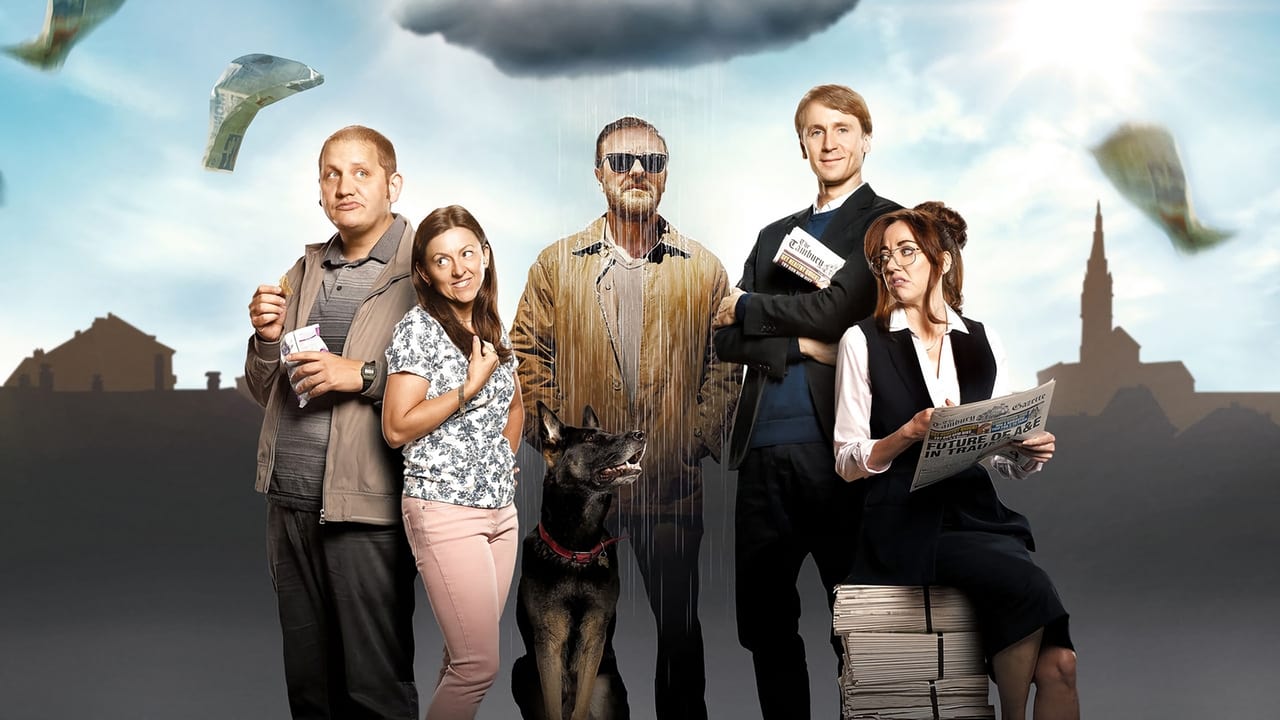
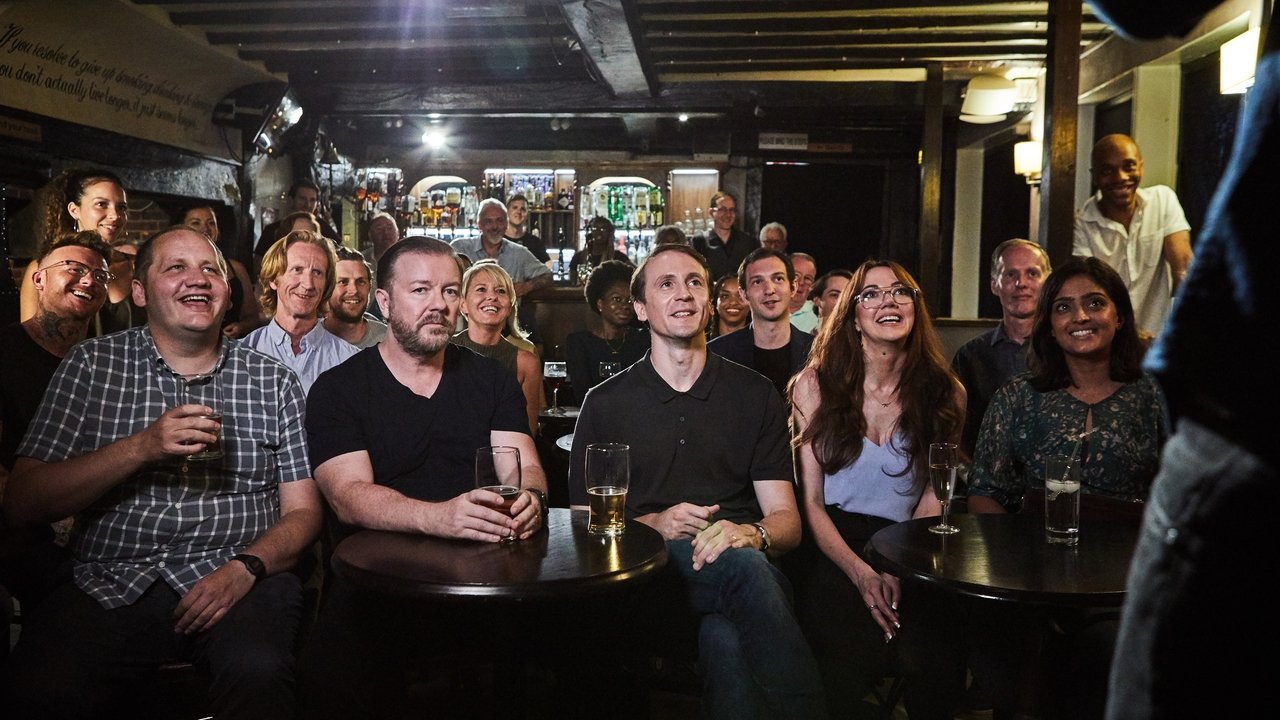
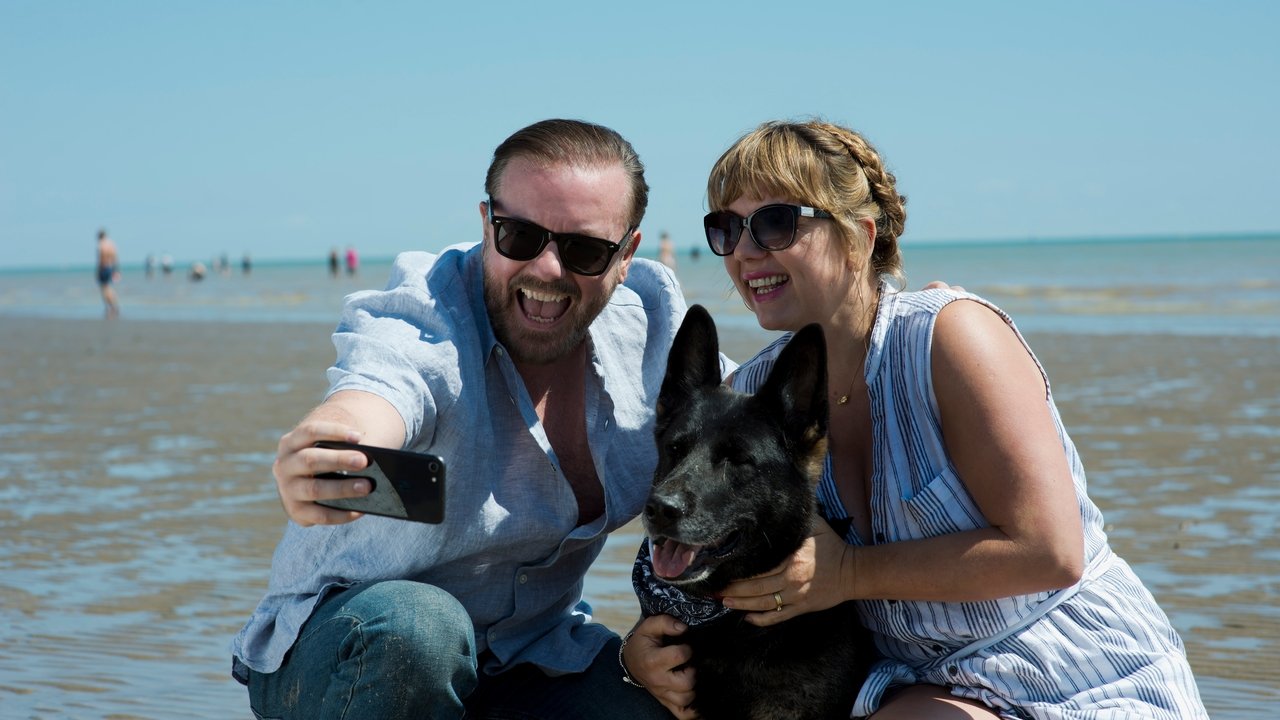
Tony had a perfect life. But after his wife Lisa suddenly dies, Tony changes. After contemplating taking his own life, he decides instead to live long enough to punish the world by saying and doing whatever he likes from now on.













I didn't want to like this but it's so touching and human, what can I say it's well written and did upset me at times.

(CASTELLANO) After Life es una serie maravillosa porque entiende algo muy difícil: que el dolor no convierte a nadie automáticamente en una buena persona. Tony está destrozado por la muerte de su mujer, pero también está lleno de rabia, egoísmo, crueldad y una libertad peligrosa para decir cualquier barbaridad. Ricky Gervais construye un personaje que puede ser un cabrón, sí, pero no lo reduce a eso. Debajo de cada ataque, de cada salida brutal y de cada gesto desagradable, está el hueco inmenso de alguien que ya no sabe cómo seguir vivo. La mezcla de drama y comedia funciona porque Gervais no separa del todo una cosa de la otra. En After Life te ríes de frases salvajes, de situaciones incómodas, de gente absurda, de personajes patéticos y tiernos a la vez. Pero de pronto la serie gira apenas un poco, aparece un vídeo de Lisa, una conversación en el cementerio, un perro mirando a Tony, una frase sencilla, y te destroza. Esa es su fuerza: pasa de la mala leche a la lágrima sin pedir permiso. Ricky Gervais está enorme. Es uno de los grandes humoristas actuales, seguramente el más afilado cuando se trata de desmontar hipocresías, sentimentalismos falsos y estupideces sociales. Pero aquí añade algo más: una vulnerabilidad real. Tony usa el sarcasmo como escudo, como arma y como excusa. Hace daño porque está hecho polvo, y aunque eso no lo justifica, sí permite entenderlo. La serie no intenta convertirlo en santo; intenta mostrar a un hombre roto aprendiendo, muy lentamente, a no destruir todo lo que todavía le queda. Lo mejor es que After Life habla del duelo sin convertirlo en una lección limpia. El duelo aquí es repetitivo, injusto, vulgar, ridículo, cruel. Un día parece que puedes respirar y al siguiente vuelves al agujero. La serie capta muy bien esa convivencia absurda entre lo cotidiano y lo insoportable: ir al trabajo, hablar con idiotas, alimentar al perro, visitar una tumba, ver vídeos antiguos y fingir que el mundo no se ha acabado cuando para ti sí se ha acabado. También es verdad que la serie tiene defectos. A veces subraya demasiado sus ideas, algunos secundarios funcionan más como espejo moral de Tony que como personajes completos y hay frases que parecen escritas para ser compartidas. Pero incluso eso forma parte de su naturaleza. After Life no busca la sutileza perfecta; busca tocar una fibra muy concreta. Y la toca. Muchas veces. Al final, lo que queda no es solo la mala leche de Gervais ni sus golpes de humor brutal. Lo que queda es el amor. El amor perdido, el amor recordado, el amor que sigue molestando porque ya no tiene dónde ponerse. After Life hace reír, incomoda y acaba haciendo llorar por todo: por Lisa, por Tony, por el perro, por la gente sola, por los pequeños gestos de bondad. Una serie preciosa sobre seguir viviendo cuando lo único que quieres es quedarte parado junto a lo que perdiste. (ENGLISH) After Life is a wonderful series because it understands something very difficult: grief does not automatically turn anyone into a good person. Tony is destroyed by the death of his wife, but he is also full of anger, selfishness, cruelty and a dangerous freedom to say anything he wants. Ricky Gervais builds a character who can be a bastard, yes, but he never reduces him to that. Beneath every attack, every brutal line and every unpleasant gesture, there is the enormous emptiness of someone who no longer knows how to stay alive. The mix of drama and comedy works because Gervais does not fully separate one from the other. In After Life, you laugh at savage lines, uncomfortable situations, absurd people and characters who are pathetic and tender at the same time. But then the series turns slightly, a video of Lisa appears, or a conversation in the cemetery, or the dog looking at Tony, or a simple sentence, and it destroys you. That is its strength: it moves from cruelty to tears without asking permission. Ricky Gervais is enormous here. He is one of the great comedians working today, probably the sharpest when it comes to dismantling hypocrisy, fake sentimentality and social stupidity. But here he adds something else: real vulnerability. Tony uses sarcasm as a shield, as a weapon and as an excuse. He hurts people because he is broken, and although that does not justify him, it does help us understand him. The series does not try to turn him into a saint; it shows a broken man slowly learning not to destroy everything he still has left. The best thing is that After Life talks about grief without turning it into a clean lesson. Grief here is repetitive, unfair, vulgar, ridiculous and cruel. One day it seems you can breathe, and the next day you are back in the hole. The series captures very well that absurd coexistence between the ordinary and the unbearable: going to work, talking to idiots, feeding the dog, visiting a grave, watching old videos and pretending the world has not ended when, for you, it has. It is also true that the series has flaws. Sometimes it underlines its ideas too much, some supporting characters work more as moral mirrors for Tony than as complete characters, and certain lines feel written to be shared. But even that is part of its nature. After Life is not looking for perfect subtlety; it is trying to touch a very specific nerve. And it does. Many times. In the end, what remains is not only Gervais’s sharpness or his brutal humor. What remains is love. Lost love, remembered love, love that still hurts because it has nowhere to go. After Life makes you laugh, makes you uncomfortable and ends up making you cry over everything: Lisa, Tony, the dog, lonely people, small gestures of kindness. A beautiful series about continuing to live when all you want is to stay still beside what you have lost.
Loading reviews…